

Virtual and Hybrid Events
Virtual and Hybrid Events: The Future of Business Networking in Post-Pandemic Sri Lanka
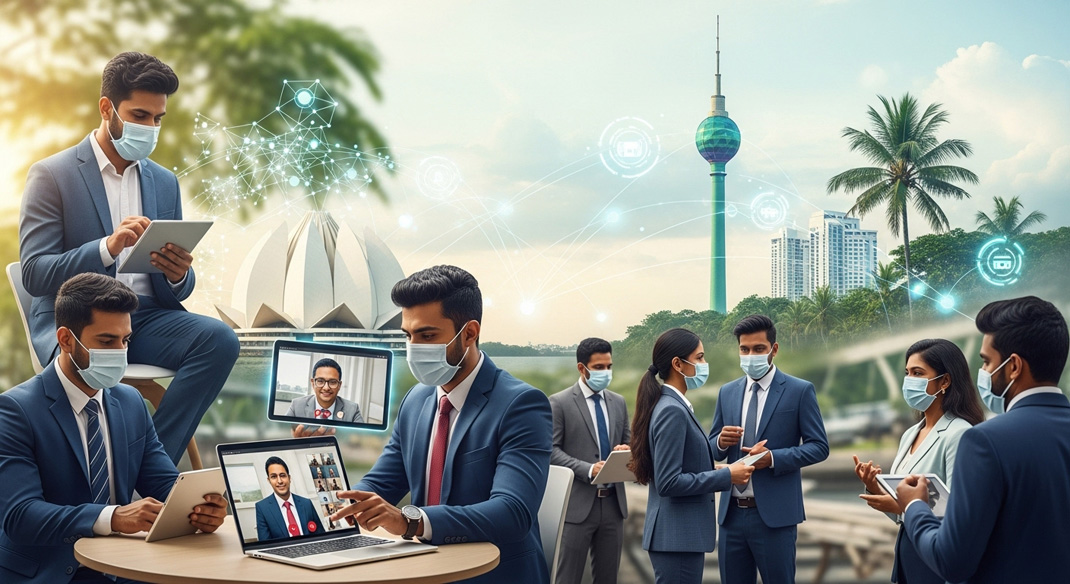
The pandemic fundamentally changed event expectations in Sri Lanka, creating permanent shifts toward flexible, technology-enhanced experiences. Modern businesses must master hybrid event delivery to remain competitive and accessible to diverse stakeholder groups.
Technology Infrastructure: Reliable internet connectivity remains challenging outside Colombo, requiring strategic planning for virtual participation. Successful hybrid events provide multiple connection options, from high-definition streaming for urban participants to mobile-optimized experiences for users with limited bandwidth.
Engagement Innovation: Virtual fatigue demands creative interaction methods. Live polling during presentations, breakout room networking sessions, and gamified Q&A segments maintain attention spans. Sri Lankan audiences particularly respond to interactive cultural elements like virtual cooking demonstrations or traditional music performances between sessions.
Cost-Benefit Analysis: Hybrid events reduce venue costs while expanding reach. A Colombo-based conference can include participants from Kandy, Galle, or Jaffna without travel expenses. However, technology investments and production quality requirements offset some savings, requiring careful budget allocation.
Accessibility Advantages: Virtual components eliminate geographical barriers that previously limited participation. Rural entrepreneurs, working parents, and physically challenged individuals can engage equally with urban counterparts, democratizing business networking opportunities.
Cultural Adaptation: Sri Lankan business culture emphasizes personal relationships, making pure virtual events less effective than hybrid approaches. Successful formats combine online presentations with in-person networking segments, allowing relationship building while maintaining broader accessibility.
Recording and Content Strategy: Hybrid events create valuable content libraries. Session recordings, presentation materials, and networking insights can be repurposed for ongoing marketing campaigns, extending event value beyond the initial date.
Future Trends: Augmented reality networking, virtual exhibition halls, and AI-powered attendee matching represent emerging opportunities. Early adopters in the Sri Lankan market will gain competitive advantages as these technologies become mainstream.
Success requires viewing hybrid events not as compromises between virtual and physical experiences, but as enhanced formats offering unique advantages neither traditional approach can provide alone.